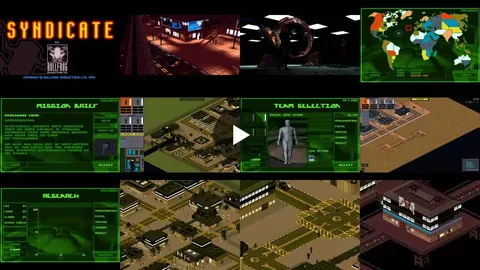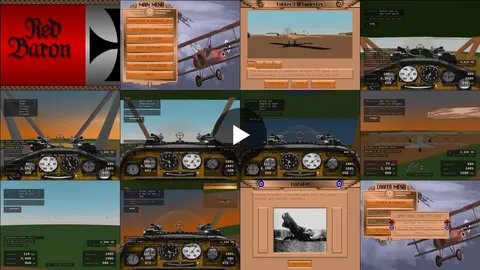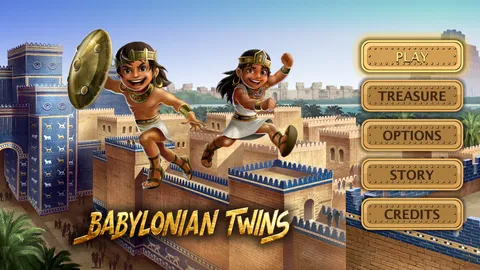
By next year, every major old game will be web playable on a modern web stack.
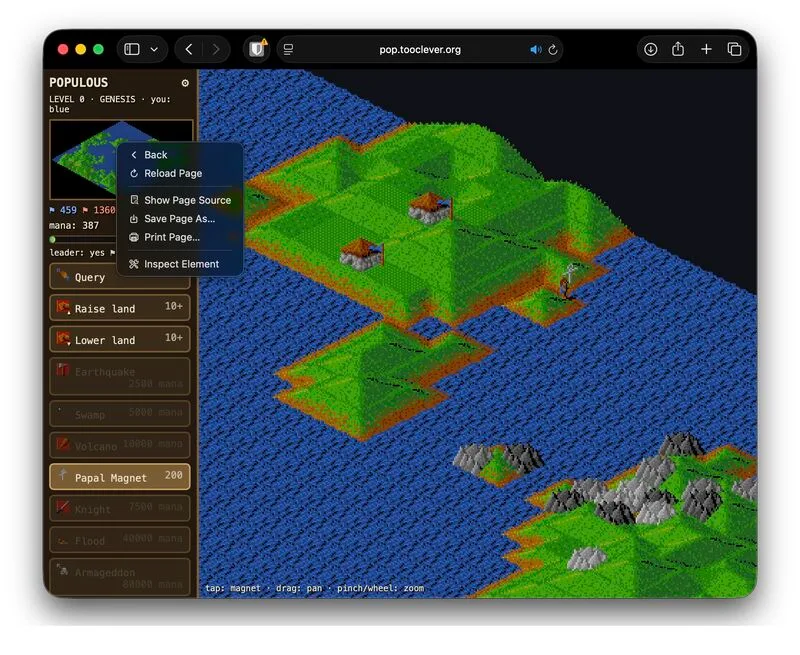
By next year, every major old game from the 1980-mid 1990 period will be web playable on a modern web stack.
One example: Populous I -
Ported in under 24 hours API time, 12 prompts almost completely autonomous in a code harness loop.
Actual human attention time spent across the entire project: 2 hours.
Those loops are ridiculously simple.
The almost entire setup is in the third screenshot (from the next project, porting the sequel), sans the setup for the machine specific setup of a game reverse engineering skill using radare2, dosbox-x and openbox to enable claude to fully drive the original game itself while pursuing the port.
No seriously that’s it.
No frameworks, no skills from the internet, nothing else.
The way this port worked out was 16 hours of waiting for it to run multiple agent lanes at once to churn towards the goal following the initial prompt, then spending about 10 prompts to feed it bugs and ask for targeted improvements.
Populous is a simple port because the engine is well documented, various attempts to reimplement it exist on GitHub and it has an active community.
The time consuming ability to reverse engineer the original helps with correcting bugs, but isn’t particularly critical in those cases.
The most time consuming part of this process, after waiting for inference to finish, is now manual playtime / bug hunting.
It turns out, ironically, QA is the last job we all will do. It’s sequel (screenshot 4) is a much harder problem (the agent has been churning on it for 24 hours and barely got the terrain renderer going) because it lacks all of that and so the harness has to rely primarily on the RE skill, which requires a bit more active handholding.
Those ports take about a week, with more frequent interactions What you get out of it out is pretty great though - a game, playable without fuzz on modern hardware, even mobile, and the ability to add any modern comforts you want, make any changes or experiments.
Ever thought populous should be 3d ... took 1 prompt to add a 3d renderer. Want to port the powers from Populous 2 into Populous 1 ... nobody can stop you, it’s just a prompt.
Want to make a franken game where Ultima Underworld’s Stygean abyss exists in Ultima 6 and you can explore the entire game in 3d ... about a month of creative prodding and you got it.
It’s super jarring as a game developer to see what is possible and how fast - and what takes 24h API time now, will be 16h by the end of the year and about 3h in one year due to efficiency gains.
If you are holding on to hopes like “it’s unreliable technology, it won’t come for my job”, I have bad news ... it doesn’t matter if the technology is unreliable IF, and only IF, the result verification can be automated. Which for a job like a port is perfectly possible:
When the harness can drive the game in a debugger on one side and it’s own work on the other, it can find most issues by itself.
By next year, every major old game from the 1980-mid 1990 period will be web playable on a modern web stack. One example: Populous I - ported in under 24 hours API time, 12 prompts almost… | Georg Zoeller | 17 comments
By next year, every major old game from the 1980-mid 1990 period will be web playable on a modern web stack. One example: Populous I - Ported in under 24 hours API time, 12 prompts almost completely autonomous in a code harness loop. [Demo here](https://pop.tooclever.org). Actual human attention time spent across the entire project: 2 hours. Those loops are ridiculously simple. The almost entire setup is in the third screenshot (from the next project, porting the sequel), sans the setup for the machine specific setup of a [game reverse engineering skill]( https://gist.github.com/georgzoeller/43831b86f618e73b9133978685b12682) using radare2, dosbox-x and openbox to enable claude to fully drive the original game itself while pursuing the port. No seriously that’s it. No frameworks, no skills from the internet, nothing else. The way this port worked out was 16 hours of waiting for it to run multiple agent lanes at once to churn towards the goal following the initial prompt, then spending about 10 prompts to feed it bugs and ask for targeted improvements. Populous is a simple port because the engine is well documented, various attempts to reimplement it exist on GitHub and it has an active community. The time consuming ability to reverse engineer the original helps with correcting bugs, but isn’t particularly critical in those cases. The most time consuming part of this process, after waiting for inference to finish, is now manual playtime / bug hunting. It turns out, ironically, QA is the last job we all will do. It’s sequel (screenshot 4) is a much harder problem (the agent has been churning on it for 24 hours and barely got the terrain renderer going) because it lacks all of that and so the harness has to rely primarily on the RE skill, which requires a bit more active handholding. Those ports take about a week, with more frequent interactions What you get out of it out is pretty great though - a game, playable without fuzz on modern hardware, even mobile, and the ability to add any modern comforts you want, make any changes or experiments. Ever thought populous should be 3d ... took 1 prompt to add a 3d renderer. Want to port the powers from Populous 2 into Populous 1 ... nobody can stop you, it’s just a prompt. Want to make a franken game where Ultima Underworld’s Stygean abyss exists in Ultima 6 and you can explore the entire game in 3d ... about a month of creative prodding and [you got it](https://u6.tooclever.org/3dmap). It’s super jarring as a game developer to see what is possible and how fast - and what takes 24h API time now, will be 16h by the end of the year and about 3h in one year due to efficiency gains. If you are holding on to hopes like “it’s unreliable technology, it won’t come for my job”, I have bad news ... it doesn’t matter if the technology is unreliable IF, and only IF, the result verification can be automated. Which for a job like a port is perfectly possible: When the harness can drive the game in a debugger on one side and it’s own work on the other, it can find most issues by itself.
 linkedin.com