Most founders are playing the wrong game...
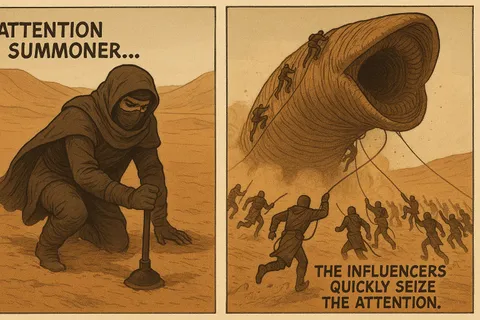
Most founders are playing the wrong game and don't understand why. The value of OpenClaw isn't the tech, it was the ability to create a hype wave. It's the same with OpenAI, Cluely, Windsurf, Cursor, Etc. Long term these products have zero defensibility, their value is the customer acquisition for the exit entity.
Why is attention so important? Because distribution is owned by big tech and if you pay their user acquisition costs, there's no money left for investors. So the only startups that are viable in this scenario are startups that have found a way to create distribution without paying.
This of course incentivises crass, societal norms busting behaviour. The Cluely guy was very open about burning his academic career in a blaze of "I cheated at all big tech interviews" for the effect that got him millions of dollars from a16z.
Sam Alman's tweet on Studio Ghibli creating a 300M user opportunity for ChatGPT is worth billions in GTM money. See also [1] where I explore this topic a bit more.
Attention precedes any other quality a product may have as usefulness/quality can only be assessed after the fact/purchase, which can only happen if a product enters your attention.
In the age of AI, where technology is increasingly commoditised, the primary business problem, the first business problems investors have to solve is escaping the attention landlords that are bleeding the startup ecosystem dry.
You pay 30% App Store fees, you pay 5% for compute and SaaS (soon up to 15% with AI), you pay up to 40% in customer acquisition costs to Meta/Google/Apple/Amazon - for ads, featuring, influencer marketing, etc.
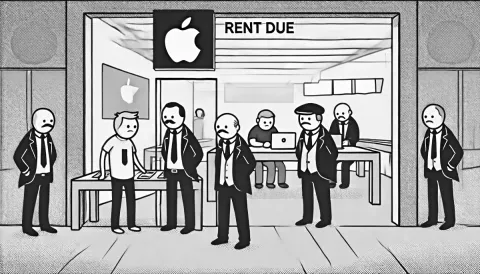
If this sounds all wrong, well congratulations, you've discovered that tech companies have successfully replicated what F&B has for decades ... landlords extracting ever increasing value from entrepreneurs, slowly smothering innovation and risk taking while lecturing Europe about how is killing innovation.
Just like Singapore or Tokyo have a handful of companies operating all malls and commanding the majority of foot-traffic, the attention economy has a handful of tech companies controlling where the eyeballs fall and which products even get a chance in the market.
In the past, companies could pretend that they could outwit the platforms with the dark arts of SEO, viral marketing and more, but that's increasingly revealing itself as an illusion, a holdover from a time when companies had to fear regulatory intervention or anti trust that no longer exists in a world where a donation to a peace board, the invention of a peace price or a golden iPhone present can get you exempted from tariffs or regulatory scrutiny.
The landlords now own the US government and both VCs and Big Tech don't expect that to change.
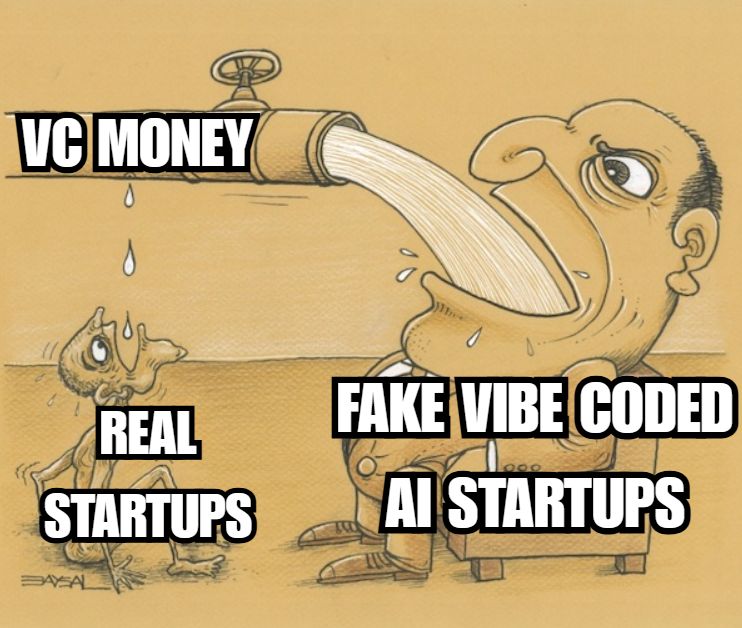
VC Money, therefore, no longer chases technical innovation, but attention generation. I'd suggest looking at alternative funding like SPRIND - Bundesagentur für Sprunginnovationen instead if you want to create real value.
Most founders are playing the wrong game and don't understand why. The value of OpenClaw isn't the tech, it was the ability to create a hype wave. It's the same with OpenAI, Cluely, Windsurf, Cursor,… | Georg Zoeller
Most founders are playing the wrong game and don't understand why. The value of OpenClaw isn't the tech, it was the ability to create a hype wave. It's the same with OpenAI, Cluely, Windsurf, Cursor, Etc. Long term these products have zero defensibility, their value is the customer acquisition for the exit entity. Why is attention so important? Because distribution is owned by big tech and if you pay their user acquisition costs, there's no money left for investors. So the only startups that are viable in this scenario are startups that have found a way to create distribution without paying. This of course incentivises crass, societal norms busting behaviour. The Cluely guy was very open about burning his academic career in a blaze of "I cheated at all big tech interviews" for the effect that got him millions of dollars from a16z. Sam Alman's tweet on Studio Ghibli creating a 300M user opportunity for ChatGPT is worth billions in GTM money. See also [1] where I explore this topic a bit more. Attention precedes any other quality a product may have as usefulness/quality can only be assessed after the fact/purchase, which can only happen if a product enters your attention. In the age of AI, where technology is increasingly commoditised, the primary business problem, the first business problems investors have to solve is escaping the attention landlords that are bleeding the startup ecosystem dry. You pay 30% App Store fees, you pay 5% for compute and SaaS (soon up to 15% with AI), you pay up to 40% in customer acquisition costs to Meta/Google/Apple/Amazon - for ads, featuring, influencer marketing, etc. If this sounds all wrong, well congratulations, you've discovered that tech companies have successfully replicated what F&B has for decades ... landlords extracting ever increasing value from entrepreneurs, slowly smothering innovation and risk taking while lecturing Europe about how is killing innovation. Just like Singapore or Tokyo have a handful of companies operating all malls and commanding the majority of foot-traffic, the attention economy has a handful of tech companies controlling where the eyeballs fall and which products even get a chance in the market. In the past, companies could pretend that they could outwit the platforms with the dark arts of SEO, viral marketing and more, but that's increasingly revealing itself as an illusion, a holdover from a time when companies had to fear regulatory intervention or anti trust that no longer exists in a world where a donation to a peace board, the invention of a peace price or a golden iPhone present can get you exempted from tariffs or regulatory scrutiny. The landlords now own the US government and both VCs and Big Tech don't expect that to change. VC Money, therefore, no longer chases technical innovation, but attention generation. I'd suggest looking at alternative funding like SPRIND - Bundesagentur für Sprunginnovationen instead if you want to create real value.
 linkedin.com