
The Video Game Industries Very Dark Night
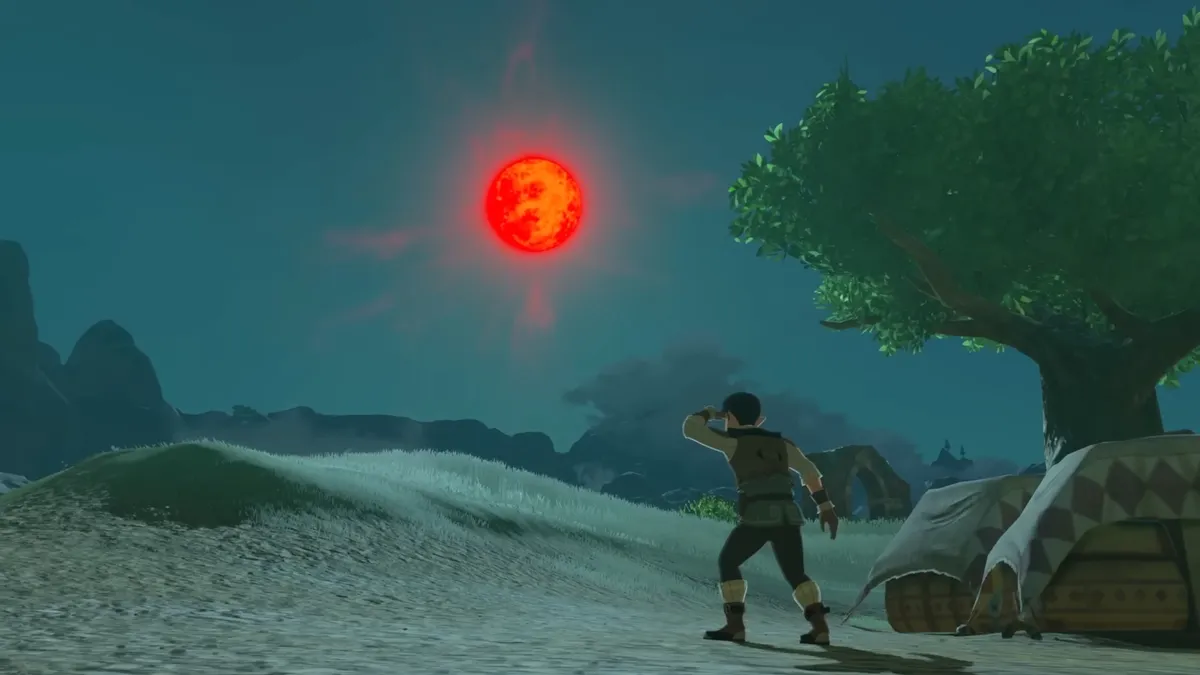
The western video gaming industry has had a brutal few years, with record layoffs affecting almost every company and many beloved studios and brands disappearing. At the root lies a once-in-a-lifetime crisis and loss of vision, not a cyclical downturn, which renders a capital intensive industry reliant on investments uninvestable.5
AI, while often cited as a root cause, plays an ancillary role as a competitor and source of uncertainty and disruption, secondary to the structural headwinds and flaws of the industry itself.
This piece is about a point in time, doesn't argue that games, as a medium as old as humankind, are somehow dying, but about the structure and incentive systems forming the modern western game industry within the economic framework of shareholder capitalism.
1. The Growth Is Gone.
In capitalism, growth is the ultimate goal. Investors put money into companies so they deliver growth per dollar, ideally above market return rate, thank you, because anything less is opportunity cost.
The total size of the gaming industry, estimated somewhere in the USD 200-300B range, powered by some 250.000 professionals is often used to appeal to its economic importance, but unfortunately that size is irrelevant when there is no growth.
Games are risky, long term investments - on the top end, AAA, increasingly requiring franchise scale to return their investors profits. And risky investments require appropriate return rates to make sense, which is where the industry problem starts: Above average growth of preceding years is gone and, more critically, all expansion narratives have failed to provide sustainable tailwind:
- Cloud Gaming turned out to be CapEx intensive and competing with AI for GPU, a non-starter at this point
- VR/XR and MetaVerse were first rebranded away from gaming to broader audiences and then shot and buried in Mark Zuckerberg's backyard.
- NFT and something-something-coin games turned out to be mostly money laundering and rug pulls, the graveyard of dead apes and investor dreams littered with gaming related efforts of "bring your Disney lightsaber to Fifa 2030"
- ESports has not panned out as a reliable growth engine.
- Games as a Service / Game platforms, like Fortnite and Roblox, long acting as the primary investor plays for tech-industry like returns are starting to show signs of peaking.
- No credible AI x Gaming narrative even exists, four years into the AI boom. More on that below.
But at least there were narratives ... today, in the words of John Tuld, now, "I hear nothing, the music has stopped".
There is no compelling answer to the question of "Why should I invest my money in games instead of other opportunities" and many answers to "Why shouldn't I", some of which are provided below.
2. Demographic Headwind
Both age and generational habits have turned from tailwind to headwind over the last few years, showing the expected signs of a maturing market, far from the double digit growth rates fuelled by internet growth and the rise of gaming into the mainstream.
Some of it is reflective of increasingly aging societies in high ARPU markets, some of it to generational habit forming:
After decades of "the future is gaming", gaming is now a default and future generations are increasingly diversified in their attention spend, many preferring to watch people play or engaging with highly addictive short form video over the time investments needed to actually play games.
For a while, the cope was "people watch youtube in the background while also playing games", but short form video does not allow split attention, and it's rapidly growing.
According to the UK's ofcom regulator, between 2023 and 2024, adults spent more than 25% more time online, about an hour of "online growth", the majority of which went to short form video platforms and social media. From 2024 to 2025, that slowed to 10 minutes growth. 1 ... in either case, the primary beneficiaries were big tech and short form video platforms, not the general games industry.
3. Competition and Oversupply
Competition on the top level is for attention. The game industry is locked in a room with the most aggressive attention optimising platforms on the planet, while also being reliant on them for primary user acquisition, setting the industry up for continued value extraction and abuse.
Gaming used to be the best entertainment value for money for many years. This is no longer true: A video subscription is easily competitive with most gaming options on price.
High competition is great for consumers, but not for investors looking for extraction value, and gaming competition is sky high:
- On the root level, competition for attention involves the world's best funded and most ruthless companies who have spent decades a/b testing their platforms into digital crack cocaine.
- On an industry level, many publishers are competing with each other, with countless indy games adding additional options for gamers to stretch their gaming dollars
- Most devastating, the industry is competing with its own backlog, with top end titles now having a shelf-life of 10-12 years. Games like Metal Gear Solid: Ground Zeroes, GTA 5, Skyrim and RDR now stay in storefronts for decades, often reduced to $10 or less during sales events. Skyrim, Fallout and now the barely 10 years old Assassin's Creed Blackflag keep getting re-released and remastered, competing with newer products with an unfair nostalgia advantage and low innovation risk.
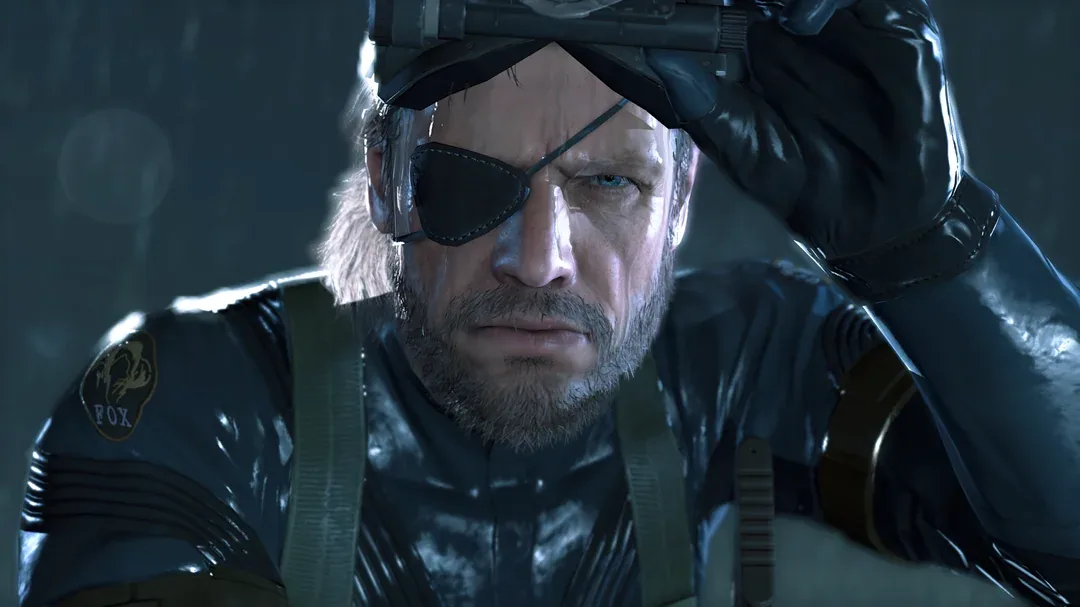
In 2026, the majority of games played are six years old and older, with an increasing number of players concentrating on fewer and fewer platform titles.
Aging, often decade old platform services like PUBG, Roblox, Fortnite6 consume the majority of weekly gaming time, the remainder of the industry and any new entrances being left to fight for scraps.
4. The Pacemakers are dead.
That last point, self-competition from backlog is rooted in another structural headwind: Technology advancement essentially stalled in the late 2010s, and the industry's primary pacemaker, Nvidia, has, as during the crypto heydays, moved on to dollar greener pastures.
Technical innovation was the predictable, reliable primary pacemaker that drove PC and console gaming forwards for the last three+ decades. Graphics improvements sold games, and, more importantly, they culled older "unplayably ugly" titles from the backlog and competition ... right until it stopped:
The most prevalent PC GPU in existence, with 4% of market share, is still the GeForce 3060, released 6 years ago. The 3090 GPU, the top end of the late 2010s, is still sufficient to max out almost any game. Games like RDR2 still look cutting edge, 7 years after release. 2
Nvidia used to drive the industry forward with GPU expansion - new graphics capabilities offering better games and fantasies. By RDR2 this stalled, you can’t sell on “breathtaking graphics” driven by technicals anymore, new experiences have to be gameplay based which is very very hard. 4k was already a bridge too far. 4k gaming, in 2026, still has less than 5% market penetration, the vast majority of gamers still plays at 1080p and below.
This effect extends into the console cycle: For almost 2 decades, consoles offered a way to get curated, cutting edge visuals and features at sub-pc prices. But with 7 year old GPUs still able to drive many games, console refresh cycles rely on more than brute force graphics, a game Nintendo has learned to play much earlier than Sony and Microsoft.
Now, players can choose AAA-gameplay games from 10 years ago on a steam sale that look, on their HD Screens, identical to newer offerings, offerings often comparing unfavourably due to aggressive in game monetisation, DLC and investor driven value extraction more common in newer titles. Even worse, older titles from the nether realms of the 2000s are starting to come back, remastered, or upscaled, to compete with phenomenally expensive to produce new titles for gamer's attention time.
Non-technical innovation, by contrast, is harder to predict, impossible to "cost" and "plan", making it unreliable. Extremely successful games like Minecraft, Pokémon Go often stand alone as highly successful outliers as the result of a unique convergence of factors rather than repeatable blueprints for the industry, making for a terrible investment pitch.
Sure, Nintendo may come and ride to publishers' rescue again, like with the Switch, innovating where others cannot, but that's hopium with a long runway to recovery at this point.
5. AI is sucking ALL the oxygen (💵) out of the room.
The loss of technological progress for games is more than the loss of tailwind.
AI narrative exploding and capturing investor imagination and wallets has drained previously available dollars from the industry into AI ventures, collapsing major deals as investors rebalanced their portfolios.
From Tencent to Netease to the Middle East, investments into traditional gaming have dried up, money redirected to other efforts, more often than not, AI. At a time when every company on the planet is racing to "rebrand" their products in context of AI, lest investors drop them to buy more Nvidia or Big AI shares, the game industry struggles to find a workable angle of how AI is going to grow business, not just tech expenses. There is none.
The industry is caught flat footed with neither credible growth narratives independent from AI nor credible AI growth narratives.
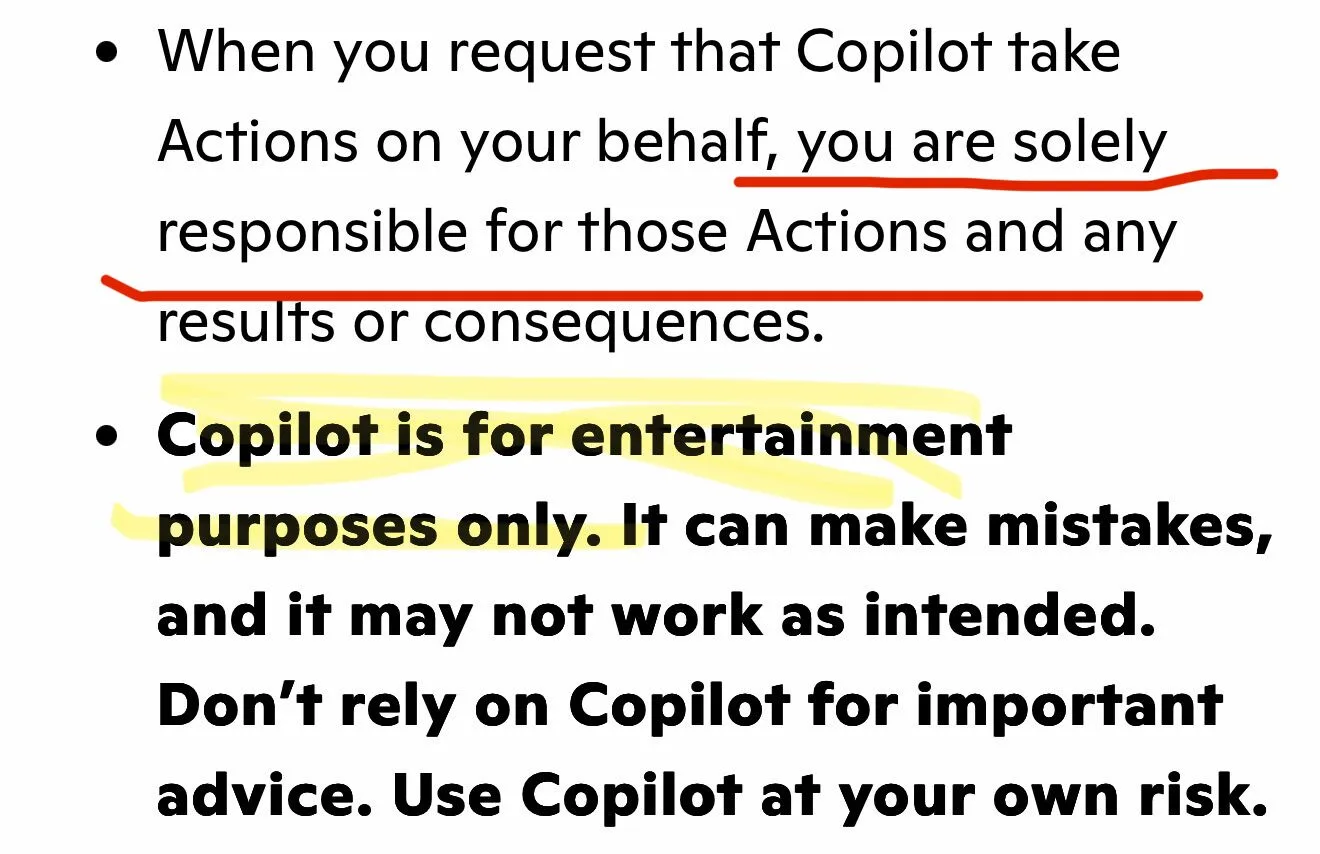
Nowhere is this dynamic more visible than at Microsoft: Just a few years after pitching investors on their massive XBOX vertical integration shopping spree, from Activision Blizzard to Bethesda, the gaming division has become a "stranded asset", slowly bled dry with talent blood sacrifices to finance the insane Copilot Bonanza. Remember kids, only CoPilot is investable entertainment in 2026.
Insert: AI Adoption in the Industry
AI adoption across the industry is anaemic in effect. When you're busy shipping a game, you have little time fighting constantly changing and often breaking tools, and if you actually get funding to start a new venture, you find quickly that it’s impossible to build native AI studios because the ground and definition of "AI native" are shifting too fast.
If you started a game two years ago, doing your best to stay up to date on AI, you'd realised very quickly that you shouldn't be making games with AI right now: Texture generation would have required massive investments from your team to operationalise, investments that would be wasted because Open Source would get there for free in a year or two. Animation models didn't exist yet, today they look like they may be viable in a year. Audio went from zero to 100, while the legal situation around audio is still as toxic as before.
None of this lends itself for making multi year game projects, and AAA, even with the most optimistic AI goggles, are multi year projects. Common sense says "Stay the f*ck away from frontier technology on long running projects" and game companies and their investors, long accustomed to the frontier, actually understand this ... as opposed to everyone else whipping AI adoption of lab products into their companies.
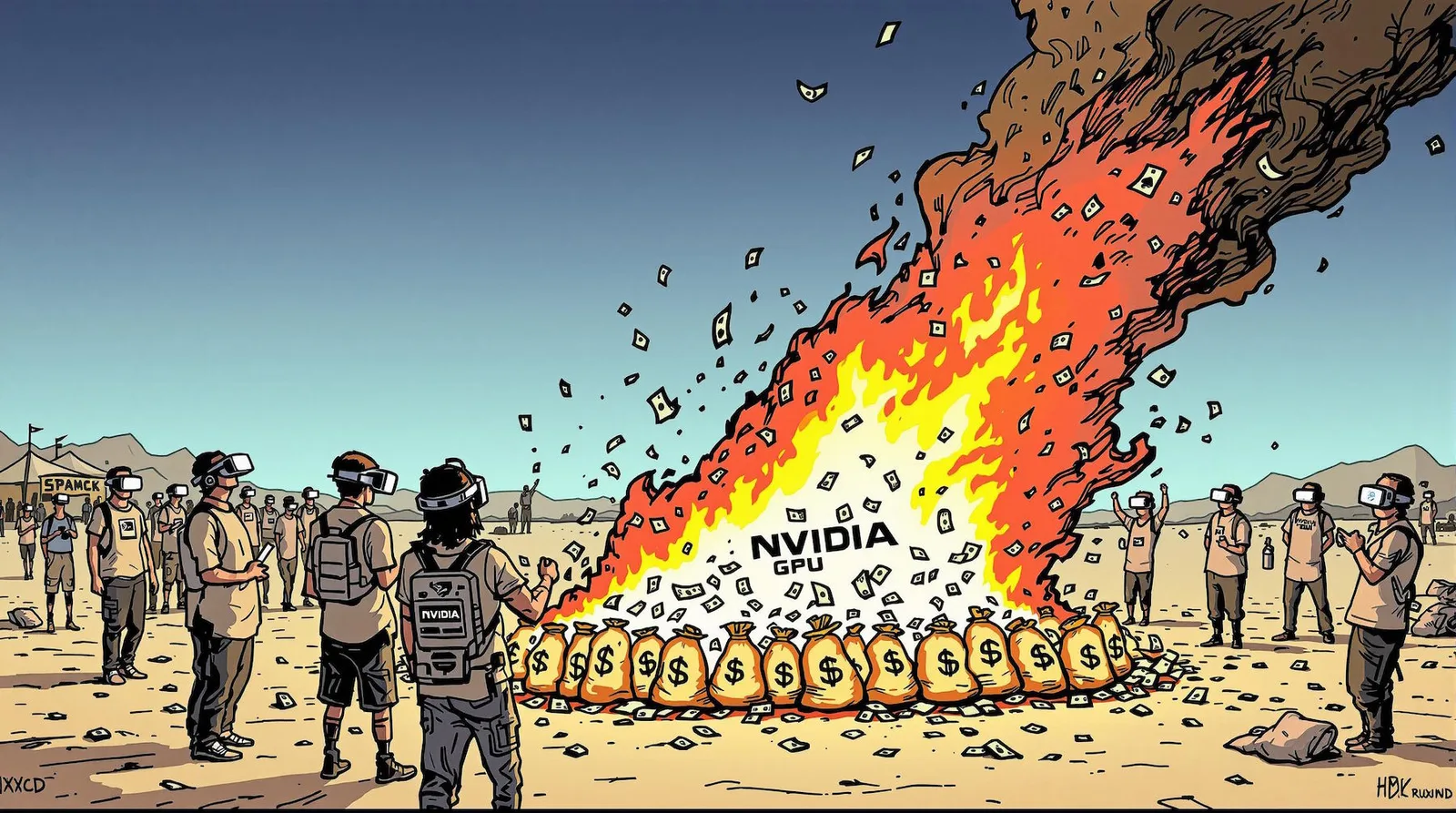
Sure, CEOs are extolling the slam dunk of technology, but double doubt is warranted given that we've neither seen evidence in form of rapidly accelerated games, nor are hearing particularly encouraging stories from the trenches.... on the contrary.
Meanwhile R&D risks and constantly shifting capabilities in the frontier are extreme: You can’t build realistic financial projections, you can't estimate costs when the value of a token changes three times a day and your IDE is bought up and dismantled the moment it becomes successful in the market.
And even when the cost savings that are there, theoretically, like voice over or asset generation, the results are often poison to an overwhelmingly negative to AI audience:
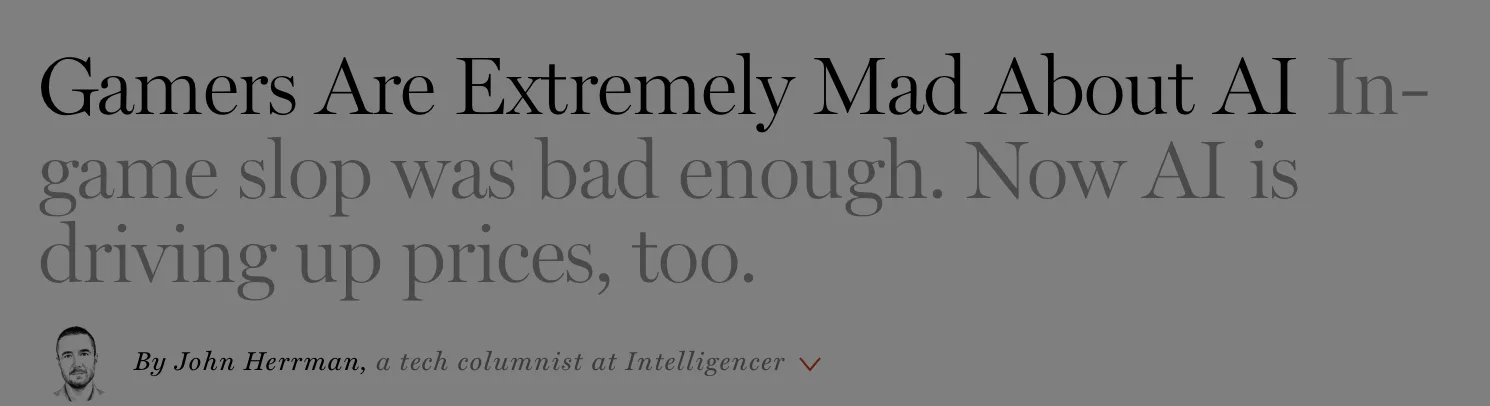
First principles here are not kind to the industry either: While companies like EA were quick to tout the savings from cheaper asset generation and coding, most investors are smart enough to understand that they won't see a penny of that money:
6. AI drives commoditisation, which is not good news
AI based mass production erodes talent and technology moats, allowing more players to release more games at lower cost, into a fixed sized attention market. More supply in a red ocean means less money for creators and publishers and their shareholders and more for the platform, even if you cut creatives with AI.
Industrialisation, this is not: While mass produced cars, TVs and furniture enabled higher standard of living for broader audiences as reduced prices were compensated for by expanding total addressable market, in gaming nobody expects such an effect.
It's also not a new effect, and we already know the winner: Platforms selling access to their users' attention.
With AI, commoditisation is going to move up the stack into the rest of gaming:
Crucially, any narrative of more games or cheaper games runs into simple physics - we maxed the available attention which is colonised by companies who have genetically engineered themselves to maximum addiction. Without new time (4 day work week), it’s a brutal red ocean game companies cannot hope to win in, given that the platforms own the attention algorithms.
Already, there are few price barriers to attention market entry: Unlimited entertainment is the cost of a Netflix or Spotify subscription, free-with-ads YouTube videos and free-to-play gaming on Roblox or Fortnite. In short: There's zero room for credible price action increasing TAM, sorry investors.
When TAM can not expand, as we know from many other markets, competition increases and in 2026, competition happens primarily through ad spend for online eyeballs, on the very platforms competing for attention.
The inevitable result is exploding supply side ad auction prices for gaming audience, the money spent on game production, should it be made cheaper by AI, instead going directly into the pockets of big tech to acquire users, at a time when these companies have really started tightening the extraction screws on their customers to finance their exorbitant AI bills.
There's little doubt that, one day, this new technology will give birth to new entertainment experiences and powerful new gameplay mechanics. But investors have too many better, low risk options than "one day", right now and, with copyright eroded, correctly assess that even if a company finds "the Minecraft formula" of AI, there's little stopping the competition from getting in on the game, especially at the speed of AI cloning.
Economics says that unless there's credible movement to a 4-day workweek, an event that, like the pandemic's work from home period, would significantly shift the demand side of the attention economy in favour of the industry, there's little positive upside from AI for the industry.
7. Macro-economic headwinds
And then there's the whole mess with AI driven inflation, chiefly on hardware prices.
Increasing hardware prices move up the cost of entry
Sam Altman, using pinky-promise money from Nvidia and Oracle, convinced Samsung and Micron to mothball their consumer RAM business 3, focusing on high bandwidth memory (HBM) for his StarGate projects instead. The result has been that a stick of DDR5 RAM now approaches the cost of a GPU, traditionally the most expensive component in a gaming console or PC system, effectively doubling the "entry level pricing" for non mobile gaming.
And that's before factoring in an equivalent price increase for SSDs and HDDs, and the effects of the Strait of Hormuz disaster, which is expected to drive broad inflation and increased pressure on chip makers due to expected disruption of critical supply for helium and other commodities.
While there's certainly signs that the circular Nvidia economy is overheating, these supply chain headwinds are locked in for several years already, further degrading the industry's investment position, with console makers reportedly considering delays and price increases for future console SKUs.
Even operationally the AI boom has been nothing but bad news for game developers. Their cost, as GPU intensive businesses, are up significantly as competition for the devices is driving up prices, while support from Nvidia, both on the ground and in terms of features, has cratered. In fact, Nvidia has done their best to alienate gamers and game developers lately, their only contribution to the industry this year being DLSS5, or "why don't you spend 10k to give all your games the same AI slop look".

There's a not small part of me thinking that maybe, just maybe, AI hype has such a hard time with gamers because we've had our techbro-overpromising celebrities phase a long time ago with Peter Molineux, Richard Gariott and other early industry luminaries burning their reputation with vanity projects and desperate pitches.
8. Brutal, global headwinds
As if things were not bad enough already, global developments from de-globalisation to great power competition and regulatory concerns are gaining strength.
The cataclysmic failure of Embracer currently marks the low point of the gaming investment landscape, but whether it denotes the actual floor seems doubtful.
Investment uncertainty is putting fear into foreign capital
Much of the western gaming industry was financed by cheques from large foreign investors like Tencent, Netease and of course, as in the case of Embracer, Middle Eastern interests.
The "heist" of TikTok by the Trump administration has shown such investments to be extremely risky, especially when seen through the lens of "cultural influence ownership". Warning signals are already flaring that TikTok and the sale of Electronic Arts to Trump-aligned interests may have been the start, not the end of a trend.
Something something ads
Unity tried. Many others tried. Games spend time, and time can convert into money via ads. It's a nice story bro, but I was there, at Facebook, when we pushed into that industry and when we murdered Unity in the crib for having the audacity to ask for ad rev-share.
In AAA ads don't work. Will never work. Brand efforts like FortNite work, but are expensive and not a scalable industry blueprint.
On Facebook, we had a product called Instant Games that was supposed to deliver the games you love directly into your feed, neatly circumventing the ban on app stores Apple put in place in their platform TOS.
It worked, too well. People who played games in feed stopped scrolling and stopped clicking on other ads. Even when forced as video prerolls into games, playable ads were economic anathema because the platform has to pay the creator a cut rather than just charging the advertiser.
Ultimately, gaming ads are less efficient than other forms of advertisement and certainly not a slam dunk with players. They no doubt generate tons of revenue today, but all previously mentioned factors - especially competition from platform and other players showing fewer ads - don't support a strong industry growth narrative here.
The demise of global IP enforcement
Another "heist", the scraping of all intellectual property into AI models and the increasingly permanent looking suspension of intellectual property enforcement on a global scale does not favour an industry which only recently made billion dollar investment deals on the back of intellectual property.
Few industry observers doubt that the AI industry will walk away with their ill gotten gains, leaving IP companies significantly degraded. Disney's collapsed 1Bn dollar investment in OpenAI on the back of Sora additionally collapsed the "But at least IP has value when sold to AI companies" hopes as well.
It is unclear how things will play out in the long term, it is conceivable that all the money that disabled copyright could also put it back together, but nobody in their right mind would assume that would be a favourable situation to current IP holders. In any case, the malaise of intellectual property in the World of AI is degrading game industry assets, not enhancing them.
Regulatory headwinds
Globally, movements for introducing age checks (added friction), addressing the harms social platforms cause to minors and increasing online abuse are gaining momentum, supported by recent court cases against Meta and others.
Roblox, with its predominantly underage user base, is the most exposed platform here, sharing many of the properties of social media platforms and finding itself at the receiving end of investigative reporting detailing harm to minors, and an ever increasing number of lawsuits and regulatory efforts.
As digital sovereignty movements and child protection measures are gaining steam across the globe, contributing to increased delivery cost and investor uncertainty, the industry's last bastion for high ROI investors, online gambling and loot boxes is under multi front attack in many jurisdictions, adding to the woes.
Landlording platforms extract value
With the demise of physical publishing and the rise of digital distribution, the industries landlords changed from retail publishers like Ubisoft, Activision and EA to Platform landlords like Google, Apple, Valve. These landlords extract money, risk free in form of publishing fees and revenue share of up to 30%, in exchange for attention of their captive gamer audience, or both.
Apple and Google have an iron grip on the mobile audience, while Valve owns practically the entire PC market, unilaterally able to decide the value distribution between consumers and developers. Developers, in this equation, face monopolies for their respective markets and are left with no bargaining power. All attempts to break these platforms, including multiple assaults by the largest tech companies to break into Valve's territory have failed.
The end result of this economic imbalance is that a large share of potential investor profits is going to platforms and their investors (except Valve, which is private), reducing the economy appeal of game investments dramatically.
9. Dispelling Myths
"The downturn is just correction for pandemic over hiring"
Over hiring is often cited as a reason and simultaneous cope to indicate temporary correction but games are multi year products and only a small segment of employers (platforms like Roblox) engaged in it - there’s little evidence to support it.7
The 25%+ reduction of workforce the industry has seen in the last few years is distributed across its entire surface: Many new, funded studios (such as Netease's
Worlds Untold) were mothballed despite operating on schedule and within cost.
Epic Games, operator of the $6B/y Fortnite behemoth, laid off 20% of their workforce 7 years after the start of the pandemic after seeing strong growth every preceding year, raising the question just how long CEOs get to claim the "pandemic over hiring card".
"It's because we lost ZIRP"
The demise of ZIRP, Zero Interest Rate Phenomenon powering the tech boom of the 2010s, is also often paraded around as the reason for the downturn and "if interests go back to normal, everything will be a-ok again".
ZIRP caused TINA - There Is No Alternative (to Stocks) and forced investors into more risky investments to meet their portfolio growth needs for the better part of the current century. Higher, risk free yields for alternative investments such as government bonds, driven by inflation, have removed this tailwind and partially turned it into a headwind.
The demise of ZIRP played a critical role in the initial pull back of capital from tech aligned industries, but it is not a credible explanation for the game industry's apocalyptic situation:
The overall tech industry, equally affected by the scenario, had the same challenges (and made the same claims). But the tech industry also shows, clearly, why this narrative was always a lazy cope, hiding the deeper problem:
Because ...Lack of credible growth narrative.
...the moment the tech industry was able to produce an investor credible narrative for investments, AI, it was able to amass more investment than ever in the history of mankind - ZIRP be damned.
"There is an indy boom"
Yes, there is an indy boom, because making games is easier than it ever has been. Steam is full of indy games, but the problem with this cope is that it confuses a supply side boom with investable business or demand.
As already discussed, attention time is the fixed limiter of the attention economy and it has, after the demise of at scale remote and hybrid work, reduced, not grown.
Indy economics on Steam are brutal, with the vast majority of games never making enough to support their creators, let alone their budget back. Finding a successful indy producing ROI has far worse odds than traditional VC, playing /r/wallstreetbets or some of the lower tiers of the state lottery. It's just not an investable proposition given the available alternatives to gamble your liquidity pool.
"The Mystical East is still growing"
The east, especially China, for the longest time was held up as a strong growth opportunity, but it's time to bury this narrative, at least for western companies.
Yes, Gaming is alive, well and growing in the east, but western companies, for a variety of reasons, are increasingly frozen out from access to those markets.
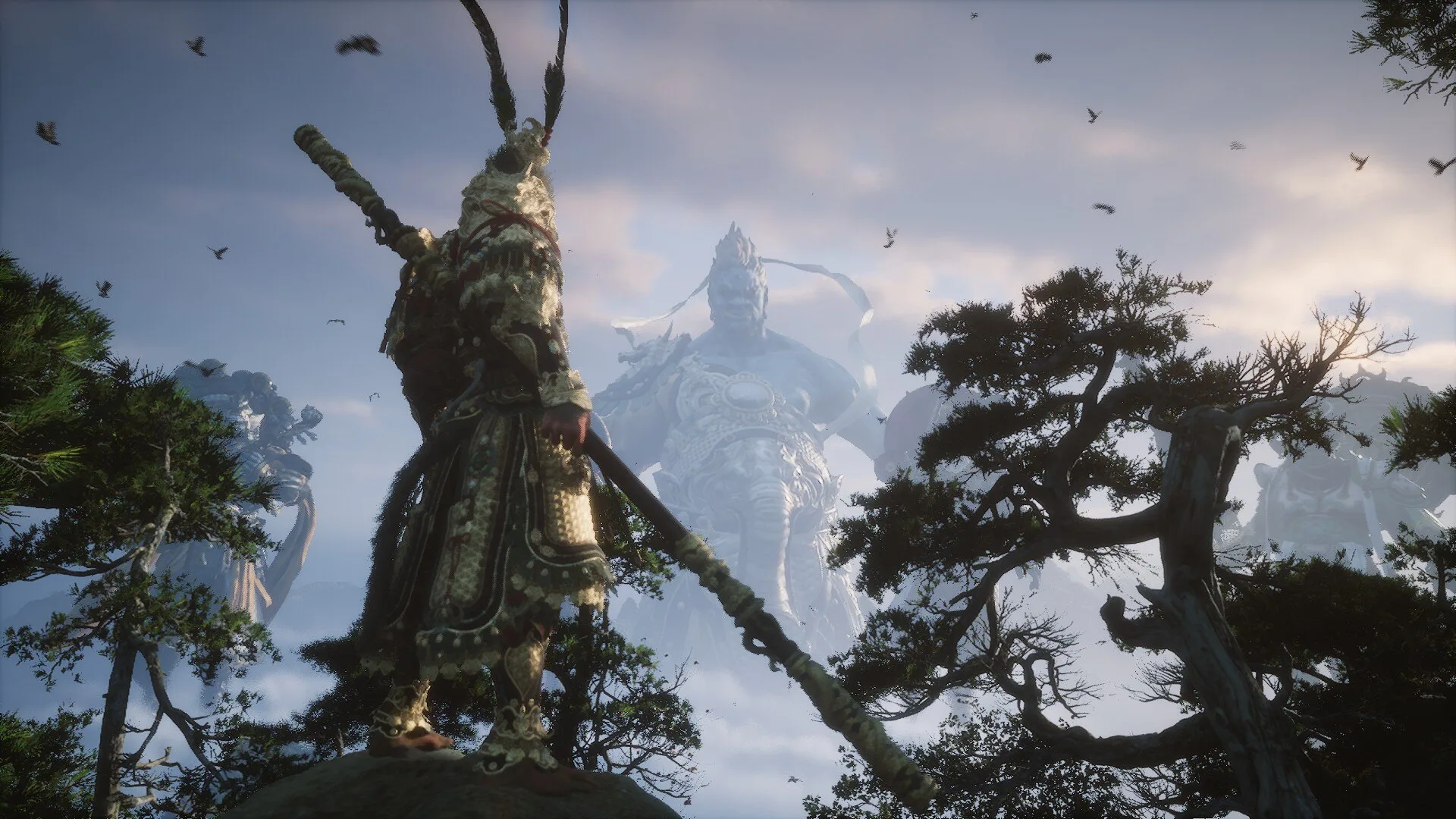
While exceptions exists, chiefly Valve operating a highly profitable gaming service in China, most other companies have not fared well. Chinese regulators have shut their markets to many of them and local audiences are heavily drawn to local games, including a rising AAA-segment of games now competing, credibly in the western market, such as Black Myth: Wukong.
"Mobile is still a growth engine"
The only thing that's really growing, long term, in mobile is the value extraction by the platforms holding attention hostage. The mobile industry has been, for a while already, ahead of the commoditisation curve. Creating mobile games is a solved problem, and like producing sneakers, a simple money for product proposition with countless outsourcers in Southeast Asia and China available to make any vision come true for limited money.
Facebook killed and regurgitated mobile gaming into primarily fake app install ads 4, because app install became the primary way of user acquisition: The video sells the game, not the game itself and an entire industry jumped up making attention optimised videos to sell to game developers.
Result: CAC is extracting all profit from the industry and VCs abandoned it because the extraction makes their financial goals impossible. Failure to enforce truth in advertising regulation meant competition happens more and more on fakes and grifts which favours the grifter.
The business challenge has long moved from "making a good game" to "user acquisition and retention", with CAC dominating the entire business model, and primarily boiling down to deciding where and how to spend ad budget. Your game can be as good as anything, it won't ever make it if you don't spend a massive part of your budget, upfront, to get people to try it. In other words, a highly risky investment unless you're one of the few big, usually Chinese players, possessing the analytics capabilities to predict product success ahead of spending.
"AI models like Google Genie will one shot games"
Anyone who understands the games business understands this is nonsense primarily perpetuated by influencers with little understanding of gaming. Transformers will certainly seep into many areas of game development (and rendering), but video/world synthesising models are a technological dead end and should be discarded as a consideration.
TL;DR
With all this in mind, the next 1-2 years look exceedingly dark, because there is not a single credible light (of growth) for the industry
doubly so while changes to the macro environment are producing powerful headwinds and fog of war.Without growth, the industry is uninvestable
And remember: Growth Narrative is a much lower bar than actual, investment risk appropriate growth, but it's the bar the AI industry, for whatever reason, managed to cross with its harebrained AGI and Space Datacentre pitches. Games? Crickets.
Plenty of individual reasons exist to be positive about specific games and ventures, GTA VI among them. Existing, well-monetising platform games may even see a short term reprieve as fewer and fewer challengers are getting funded. But as far as the broader industry goes, the headwinds seem overwhelming to the dinghy fleet stuck in an eternal storm on a blood red ocean against the behemoths that are the attention platforms, uncertain where to chart a course forward.
For people who can afford it, this kind of storm may exactly be the scenario an exceptional team with clear vision and compelling narrative can leverage to break out and succeed.
The existing foundation of the industry, especially in AAA, is no longer load bearing and its economics do not support VC level investments (which never really made sense but at least were compatible from a risk level). Even classic PE slash and burns, as now progresses with Electronic Arts, don't look particularly appealing. Cost cutting, AI driven or not, alone is not restoring competitiveness.
Where do we go from here?
The only way forward, to position the game industry as investable, is to produce at least a credible narrative of why investors should risk their money there rather than binging it on Nvidia fumes in the AI market. The temptation may exist to perform an AI pivot, slobber some Sam-Altman-Style grandiose promises over a prototype and try to sell it off to investors, but that seems a bit late into the cycle already.
For individual studios, the situation is not quite hopeless, especially for smaller outfit with high talent concentration positioned well to take advantage of technical innovation while using the increased iteration speed afforded by AI for creative innovation and desiring. As long as a clear, compelling narrative can be made, money can be raised on a better-than-average risk profile, granting at least a shot at success.
For the broader industry though, at least author, unfortunately, cannot summon up a credible, industry-wide case for investment at this point in time, which would be required to overcome the current downturn.
"Why should I invest, broadly, in Games", apart from the usual appeals to faith ("Games is big", "There has always been games"), does not have an answer, as far as I can see.
The AAA model looks dead, buried and not coming back, at least not without an unknown external impulse or disruption. The future of the industry to me, looks like managed decline, not unlike the Music Industry's slow disintegration and eventual absorption into the Napster Platform model.
Rays of light ... and trends to watch for
There are a few trends worth noting that could produce future tailwind and should be of interest to investors with a longer time horizon. I don't see them amounting to a rescue of a doomed business model, but they represent some hope nevertheless.
Social Media Bans and Age Gating
Age based social media bans or restrictions are gaining steam across the globe. China, of course, has been very active in this area for a decade, but by now the realization that something needs to be done about addictive technology and social media is taking the brunt of it. By now, we're seeing scoped social media bans proposed, in progress of being enacted or enacted in major economies such as Australia, Turkey, Norway, UK, Germany, Singapore and many more.
Should these bans pass and stay in effect, they could provide a significant tailwind for games, especially game platforms ... but outcomes would heavily depend on avoiding getting caught in the regulatory dragnet, which, as we see in China, absolutely has the opportunity to also regulate and constrain gaming time once the technology is put in place.
In any case, knowing that Meta and friends are spending hundreds of millions lobbying to shape regulation here, the industry should consider similar action, especially on regional/national level, because what's bad for big tech here, is good for the industry. Targeted lobbying measures, such advancing legislation and understanding targeting addictive brainrot short form video should also be high on the action list. Here again however, we run into the issue that Big Tech is just playing in a different weight class, their lobbying and government influence dwarfing the games industry in almost any country (Japan and China excluded), especially with AI investment craze in the back.
The mythical four day work week
There's a not immaterial chance advanced economies will have to respond to the looming economic crisis in jobs, AI fueled or not. When automation hit Europe's steel industry in the 1980s, one of the key tools in the economic steering arsenal to prevent unrest was to limit available work hours per worker in order to prevent wholesale job losses and mass unemployment. See 35h work week conflicts in Germany for historic context.
During the pandemic we got a small preview of the kind of stimulus more available time can inject into digital industries, especially gaming, with work from home eradicating commute hours and creating more opportunities to engage with digital entertainment. These effects have been mostly clawed back by now with RTO mandates, of course.
Wherever one stands on the AI equation, should governments get to a pressure point where they have to distribute some of the benefits of advanced automation, currently seemingly going 100% to shareholders, to the broader population, reduced overall work-hours at equal compensation would also be a prime candidate for consideration.
In any case, industry and investors would see an instant value injection (in form of attention time) into the digital ecosystem, some of which benefiting the game industry.
System Change
The key observation to take away from this piece is that the western game industry's primary problems are all rooted in it's inability to be competitive within techno-feudalistic shareholder capitalism. As people keep remarking: Games are growing ok in China, but the specific tailwind in that market is heavily tied to a the fact that China is not running on the American version of Shareholder Capitalism OS, with heavy protectionism, regulatory controls (game publishing licenses which, in part, control both domestic and foreign supply into the market) - a tended garden growing within defined boundaries.
With a myriad of disruptive forces pushing on the US as the primary anchor of an almost global economic system, it would be foolish to discard the chance that the fundamentals currently crippling the industry will change in a way that creates new opportunities. It's just impossible to predict when, how and whether what comes after is better or worse.
About the Author
Georg Zoeller is an industry veteran and troublemaker with more than 25 years of experience across games and technology.
He contributed to many beloved PC and console games at companies like BioWare, Electronic Arts and Ubisoft and lead game industry aligned teams at Facebook/Meta working on products such as Game Streaming, Canvas, GameRoom, Instant Games, Gaming Video and Games Platforms solutions for many years. He's provided AI strategy and technology disruption consulting to AAA studios, publishers and some indy companies over the last few years.
References
- https://www.ofcom.org.uk/siteassets/resources/documents/research-and-data/online-research/online-nation/2025/online-nations-report-2025.pdf?v=409837 ↩
- https://store.steampowered.com/hwsurvey/Steam-Hardware-Software-Survey-Welcome-to-Steam ↩
- https://adlrocha.substack.com/p/adlrocha-why-ai-is-making-your-ram ↩
- Why Fake Ads Dominate Mobile Gaming, Reddit ↩
- The Tremendous Yet Troubled State of Gaming in 2024, Matthew Ball ↩
- Roblox is Already the Biggest Game In The World. Why Can’t It Make a Profit, Matthew Ball ↩
- Cheap money and bad bets: How the games industry turned pandemic success into disaster, GamesIndustry.biz ↩
Further Reading
 The State of Video Gaming in 2026 by Matthew Ball / Epyllion — MatthewBall.co
  The Tremendous Yet Troubled State of Gaming in 2024 — MatthewBall.co
  Roblox is Already the Biggest Game In The World. Why Can’t It Make a Profit (And How Can It)? — MatthewBall.co
  Cheap money and bad bets: How the games industry turned pandemic success into disaster
  The inside story of Saber, Embracer and a scuttled Saudi deal that changed everything
  Norway and Türkiye follow Australia with teen social media bans